

In an era where digital connectivity defines our daily lives and businesses, it is crucial of maintaining robust cybersecurity measures is vital. As cyber threats evolve at an alarming pace, implementing an effective Incident Response Plan is no longer a luxury; it has become a necessity for organizations of all sizes. The potential damage from cyber incidents whether from ransomware attacks, or the exploitation of zero-day vulnerabilities which can be disastrous. An effectively structured Incident Response Plan equips organizations to respond quickly and efficiently, reducing the impact of these threats.
In order to stay ahead in the current cyber landscape, companies must prioritize not only prevention and detection but also a proactive approach to incident management. This requires a blend of cybersecurity training for employees, an in-depth understanding of emerging cyber threat trends, and a culture that fosters employee cyber awareness. Through investment in a comprehensive Incident Response Plan, organizations can bolster their defenses against potential cyber attacks and ensure that they are prepared for navigating the complexities of incident management when it is most critical.
Cybersecurity Training Essentials
An adequate incident response plan starts with extensive cybersecurity training for all employees. This training equips staff with the understanding they need to detect potential threats and understand their role in stopping data breaches. By stressing the significance of staying vigilant against cyber threats, organizations can create a culture of security awareness that reaches beyond IT departments. Regular training sessions should address topics such as email fraud, safe internet practices, and the importance of alerting on suspicious activities.
Moreover, with the rise of zero-day vulnerabilities, it is imperative to educate employees about the risks of these threats. Zero-day vulnerabilities often go unnoticed until they are exploited, making proactive training necessary. Employees must learn how to follow protocols that minimize the risk of these attacks and understand the potential consequences of security breaches. Implementing interactive simulations and real-world scenarios during training can encourage better retention and awareness of proper response actions.
Moreover, as cyber threat trends change, so must the training programs. Regular updates to training content are vital to combat emerging threats and reinforce best practices. Organizations should commit to training that changes alongside the cybersecurity landscape, ensuring employees are constantly informed about the latest strategies used by cybercriminals. By focusing on ongoing education on cybersecurity, companies will boost their overall defenses while empowering employees to act as the first line of incident response.
Avoiding Information Breaches
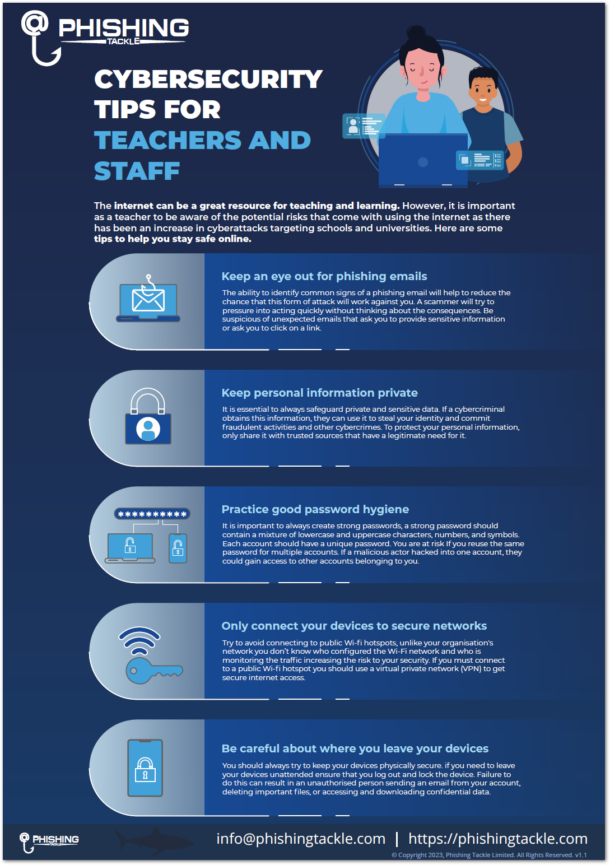
A strong incident response plan is a critical component in avoiding data breaches within any organization. By establishing clear protocols and protocols, companies can swiftly address potential threats before they escalate. Regularly refreshing Cyber Threat Trends to encompass the latest cybersecurity education ensures that staff are knowledgeable of the potential risks and the appropriate actions to take. This education fosters a proactive approach, empowering team members to identify and alert on suspicious activity without delay.
The oversight of day-zero weaknesses is another significant aspect of a thorough incident reaction strategy. These weaknesses are especially risky as they are unidentified to the software vendor and can be exploited by threat actors. By establishing a consistent monitoring process and having a close connection with risk intelligence sources, organizations can spot and reduce these weaknesses promptly. This vigilance plays a vital role in averting data compromises that could otherwise compromise sensitive data.
Finally, remaining informed about current cyber threat developments is important for improving an organization’s defenses. The cyber landscape is quickly changing, with new risks emerging constantly. By integrating this awareness into cybersecurity training, organizations can train staff to foresee and respond to these risks effectively. Employee cyber literacy is not just about recognizing the risks but also about cultivating a climate of security where all team members takes ownership for securing private data. This holistic approach considerably minimizes the probability of a information compromise occurring.
Grasping Digital Threat Trends
As one explore the complexities of today's digital environment, understanding digital threat trends is essential for developing an effective incident response plan. The frequency and complexity of cyber assaults are increasing, driven by the availability of advanced tools and methods in the hostile community. Organizations are more and more facing dangers from ransomware, scamming attacks, and identity fraud, making it important for organizations to stay informed about the changing strategies and strategies employed by hackers.
Digital security is no longer an IT division concern alone; it’s a company-wide responsibility. The rise of flexible work has increased the attack surface, underscoring the necessity of employee digital awareness. Training programs aimed at educating employees about social manipulation techniques and safe online habits are more important than ever. Regular cybersecurity training can help staff identify potential dangers, enabling them to act as a first line of protection for the organization.
In furthermore to training and awareness, organizations must be forward-thinking in terms of data breach prevention and addressing zero-day flaws. Cyber threat trends indicate that attackers often exploit vulnerable applications, so having an incident response strategy that includes methods for swift patch management is essential. By staying updated of these trends and integrating them into their incident response plans, organizations can significantly reduce the hazards associated with cyber threats and enhance their resilience in a constantly evolving landscape.